Something that comes up fairly often when people are looking for something to safeguard against illness and inflammation, is turmeric. But why, what is it with turmeric that makes it so talked about?
First off let me clear something up, turmeric is not a ‘super food’ in fact the term super food is a made up name so that companies can sell you expensive powders, supplements and foods that they claim to be superior for your health. Food is just that, food. There are no super charged foods that if you eat them they will magically sort out your alignments. The best way of maintaining your health is with a well balanced diet, plenty of plant foods (I don’t mean vegan) just a good variety of fruits vegetable, bean, legumes, grains, various sources of fats and protein. So with that cleared up let’s talk turmeric.
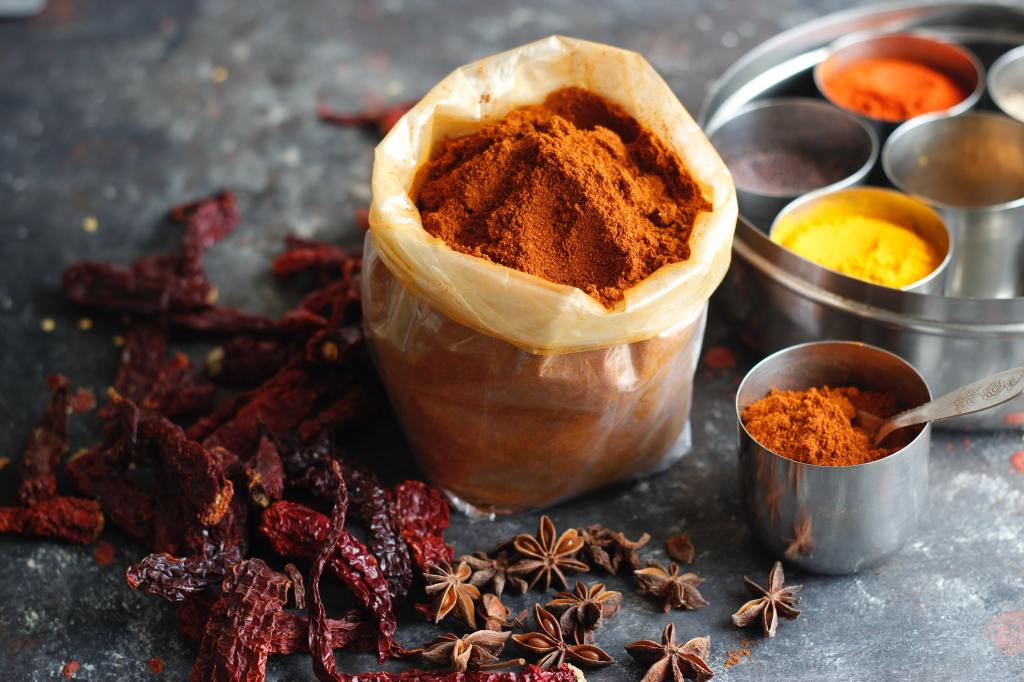
Turmeric, is a spice that has been recognised for its medicinal properties. It is a major source of the polyphenol, curcumin. What the heck is a polyphenol? Polyphenols are reducing agents, and together with other dietary reducing agents, such as vitamin C, vitamin E and carotenoids, referred to as antioxidants, protect the body’s tissues against oxidative stress and associated pathologies such as cancers, coronary heart disease and inflammation. Curcumin aids in the management of oxidative and inflammatory conditions such as, metabolic syndrome, arthritis, anxiety, and hyperlipidemia. It may also help in the management of exercise-induced inflammation and muscle soreness, thus enhancing recovery and performance in active people.
The great part about this is you can see benefits with a relatively low dose. Most of the benefits are attributed to the antioxidant and anti-inflammatory effects. The important thing to remember is that you can only take advantage of the benefits by pairing turmeric with other specific components. This is due to the poor bioavailability of curcumin alone. Piperine, the major active component of black pepper, when combined in a complex with curcumin, has been shown to increase bioavailability by 2000%. So if you are looking for foods that support your health and help reduce inflammation, turmeric and black pepper could be a good combination to include.
There are plenty of other polyphenols to try too. Brightly colored berries, spices, nuts, and seeds are a good way to ensure you get a healthy dose of polyphenols in your meals. Other good sources of polyphenols include olives and extra virgin olive oil, certain vegetables like chicory, red onion, artichoke and spinach, tea, coffee, soy products, and beans.
But I can just take a turmeric supplement and be done with it, right?
Polyphenols like turmeric are marketed as a nutritional supplement and can come in high doses. The problem other than the supplement industry not being particularly well regulated, is that high dose polyphenol can have potentially harmful effects.
Some evidence suggests that high polyphenols can cause:
- carcinogenic effect (cancer causing)
- interact with other mediaction
- thyroid problems
- Damage DNA
As I mentioned at the start, there are no super foods. Consuming high doses of anything is likely not the answer but ensuring that we include there foods in our diet on a regular basis could be very helpful. If you are going to include turmeric its most natural form is the turmeric root itself or you could head to the spice section in the supermarket.
Ref: https://www.ncbi.nlm.nih.gov/pmc/articles/PMC5664031/
If you enjoyed this article you can read more here
 Holly Skinner.