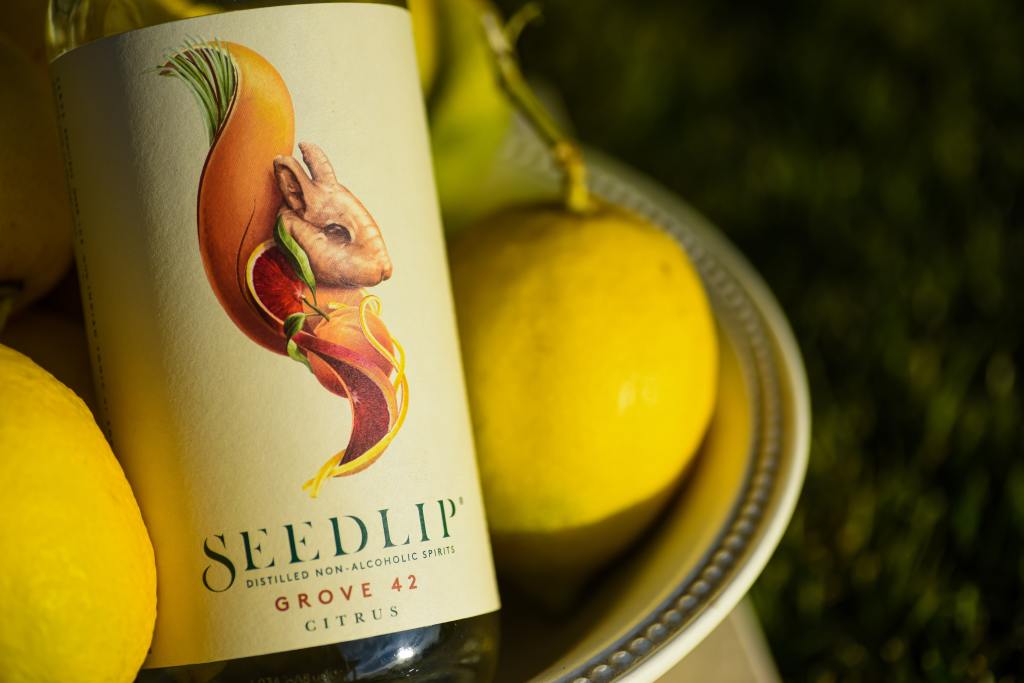
Alcohol can significantly impact your health, particularly when it comes to achieving and maintaining a healthy body composition. While moderate drinking may not cause immediate harm, excessive or regular alcohol consumption can undermine your progress towards better physical health. Here’s how alcohol can be detrimental to achieving a healthy body composition and impact our health:
- High Calorie Content:
- Alcohol is calorie-dense, providing 7 calories per gram, which is close to the calorie content of fat (9 calories per gram). Consuming alcoholic beverages can significantly contribute to caloric intake, making it difficult to maintain a calorie deficit for fat loss or to manage weight.
- Empty Calories and Lack of Nutritional Value:
- Alcoholic drinks are often low in essential nutrients, vitamins, and minerals. When you consume alcohol, you’re essentially consuming “empty” calories that offer little to no nutritional value, which doesn’t support your overall health and body composition goals.
- Inhibits Fat Burning and Promotes Fat Storage:
- Alcohol metabolism takes precedence over other metabolic processes. When you consume alcohol, your body prioritises breaking it down and metabolising it, temporarily halting fat burning. Additionally, alcohol can stimulate the production of fat and promote fat storage, particularly in the abdominal region.
- Affects Appetite and Food Choices:
- Alcohol can impair judgment and decision-making, potentially leading to poor dietary choices and overeating. It may lower inhibitions, making you more likely to indulge in unhealthy snacks or larger portion sizes.
- Dehydrating Effect:
- Alcohol is a diuretic, causing increased urination and potentially leading to dehydration. Dehydration can affect exercise performance, recovery, and muscle function, hindering your ability to engage in effective workouts to support body composition goals.
- Disrupts Sleep Patterns and Recovery:
- Alcohol can interfere with the quality of your sleep and may affect your ability to enter deeper sleep stages, impacting your body’s ability to recover and build muscle. Restorative sleep is crucial for achieving optimal body composition.
- Interferes with Muscle Protein Synthesis:
- Alcohol consumption can impair muscle protein synthesis, which is essential for muscle repair and growth. This can hinder your progress in building and maintaining lean muscle mass, a key component of a favourable body composition.
- Negatively Affects Hormones and Metabolism:
- Alcohol can disrupt hormonal balance, including the release of growth hormone and testosterone, which are crucial for muscle growth and metabolism. This disruption can adversely affect body composition goals.
- Alcohol and Cancer: The WHO have classed alcohol as a C1 carcinogen. The British Journal of Cancer analysed data from 572 studies involving 486,538 cancer cases, establishing alcohol as a key carcinogen that damages DNA and disrupts cell repair. It also impairs metabolism and elevates the risk of breast cancer to rate higher the HRT.
- Impairs Brain Function:
- Alcohol reduces blood flow to the brain which is indicated in cognitive decline. It shrinks the hippocampus and can cause dysregulation of the the HP Axis which is charge of our stress response system.
- Brain Chemistry – Alcohol affects the chemistry of the brain, increasing the risk of depression, panic disorder and impulsive behaviour. Hangovers – If you have a hangover, it can make you feel ill, anxious and jittery. If this happens all the time, it can have a negative effect on your mental health.
- Cholesterol and Triglycerides – drinking alcohol raises the triglycerides and cholesterol in your blood. If your triglyceride levels become too high, they can build up in the liver, causing fatty liver disease. The liver can’t work as well as it should and can’t remove cholesterol from your blood, so your cholesterol levels rise.
If you are striving to improve your health and body composition, minimising alcohol consumption or avoiding it altogether is advisable. If alcohol is consumed, moderation and mindful choices are key.
 Holly Skinner.