Goodness what an emotive subject alcohol is. In the UK, for many, our social lives have been built around the tradition of a good old local pub. The escape from the week, time to relax with friends, have a few drinks and catch up. But is it right that we have built our social lives around a substance that has so many detrimental effects to our physical and mental health? This is without even discussing the stigma attached to heading to the pub and announcing that you aren’t drinking.
Out of all the most addictive substances on earth, alcohol comes just second, after heroin. This is based on the the extent to which the substance causes a dopamine response in the brain, how pleasurable people report it being, the degree of withdrawal symptoms, how easily it is to become hooked and the physical and cognitive harm the drug causes (yes alcohol is a drug).
But what harm can a few drinks on a Saturday night do? Here are 10 reasons why you may want to skip the booze.
- Alcohol may lead to weight gain.
- Alcohol interferes with memory and learning.
- Alcohol increases the likelihood that you will use other drugs.
- Alcohol increases your risk of developing cancer.
- Alcohol can lead to liver disease and other severe, chronic diseases.
- Alcohol may trigger emotional or past traumatic experiences.
- Alcohol can lead to dependence and alcoholism.
- Alcohol increases depression and anxiety.
- Alcohol accelerates the aging process.
- Alcohol disrupts normal sleeping patterns.
Women are more susceptible to the effects of alcohol. With less alcohol dehydrogenase, the enzyme that metabolises alcohol in the stomach women tend to absorb far more alcohol into the bloodstream where it can cause significant damage.
Ageing also plays a role in the effect of alcohol, as we get older our volume of water in the body reduces. As a result we are less able to dilute alcohol in our system, making us much more vulnerable to its effects.
Why do some of us feel pressured to drink with our friends?
Peer pressure may occur directly or indirectly. Direct pressure involves peers explicitly asking you to do something. Indirect pressure happens when you witness others engaging in an activity and are motivated to do the same. Teen are most influenced by their peers as the part of the brain that responses to reward is easily aroused. Adults like teens, want to fit in and avoid feeling awkward. We are social creatures that rely on community to survive and thrive.
How to socialise without drinking
- Be the planner/organiser – this gives you the opportunity to pick a non alcoholic activity or find a venue that has a good selection of non alcoholic options available.
- Think outside the pub – There are many non alcoholic activities, get creative. Your mates will love you for it!
- Have a check in time – set yourself a time to check in with yourself and ask “am I having fun”
- Have an exit strategy – if for any reason, especially if it’s related to alcohol, you are feeling it’s time to leave or you are feeling uncomfortable, you are well within your rights to leave. You don’t owe anyone an excuse or apology. There’s no need to feel guilty or bad, if you want to leave, then leave.
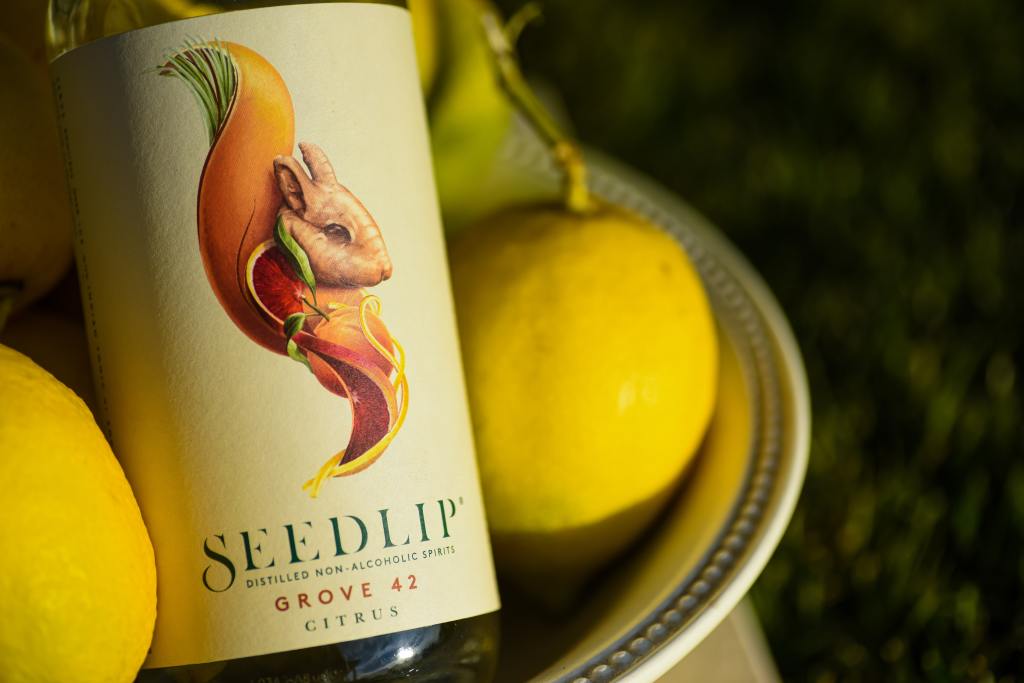
Alcohol for some is a very emotive subject, it’s personal. The physical and psychological impact it has is no secret but for some, alcohol is an important part of their lives. I could say don’t drink, just like I could say don’t smoke, but will it help? If you are in two minds about drinking or you want to stop, know that you aren’t alone. There seems to be more and more people turning away from alcohol as a form of socialising. Just know there are options and they don’t make you boring or no fun, they mean you are putting your health first.
If you feel that alcohol has become a problem in your life and you would like to speak with someone contact https://www.wearewithyou.org.uk
 Holly Skinner.