Have you ever walked down the baking aisle in the supermarket and bought a bag of sugar to eat because you just couldn’t resist it? Not at all, but chances are you did pick up a bag of sugar to make into to something lovely like a cake, biscuits or to add to your tea or coffee. So why do we say we are addicted to sugar when we wouldn’t even thinking of opening a bag of sugar and eating it?
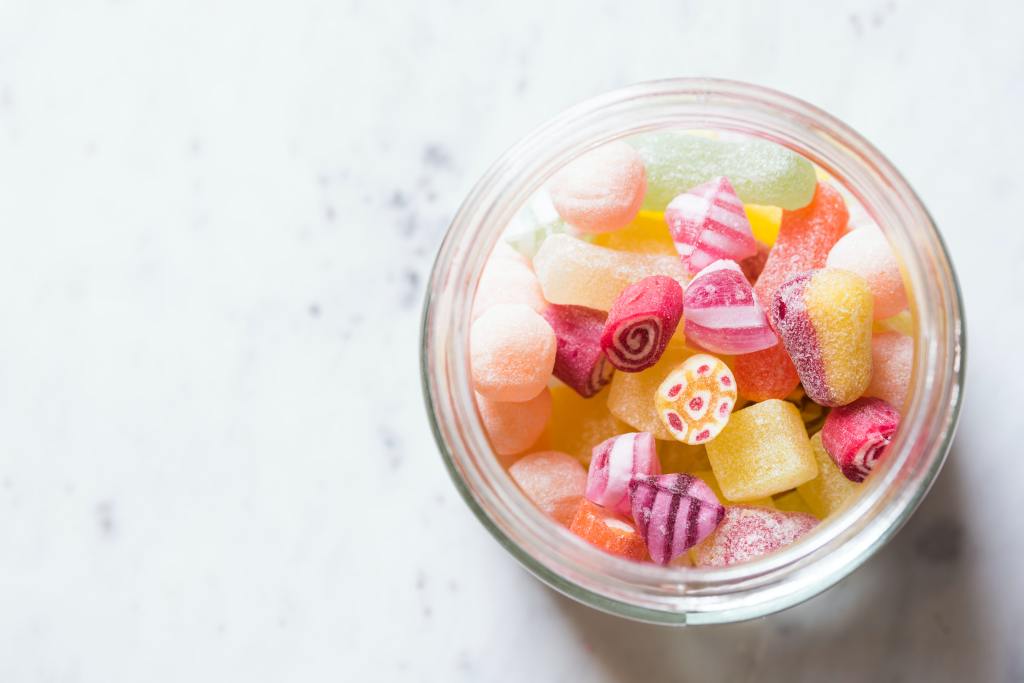
Many of us have found ourselves at the bottom of a bag of M&M’s or eaten the big bar of chocolate and thought how did I finish all that?!
This is a form of food addiction but not a sugar addiction specifically. We don’t find ourselves becoming addicted to lettuce or broccoli, it’s the types of foods we become addicted to, that we need to pay attention to. As quoted in The Hungry Brain, Gearhardt and Brownell writes:
High concentrations of sugar, refined carbohydrates (bread, white rice, pasta made with white flour) fats (butter, lard, margarine), salt and caffeine are addictive substances and the foods containing these ingredients may be consumed in a manner consistent with addictive behaviour. Just like drugs of abuse, these food substances may not be addictive until they are processed, extracted, highly refined and concentrated by modern industrial processes; meanwhile, combinations of these look-like-food substances may greatly enhance their addictive qualities.
Think of all the foods and drinks that we can’t get enough of, what do they bring us?
Pleasure! Food that brings us pleasure when we eat it is described as palatable, meaning they taste really good. The brain values highly palatable foods that are dense in easily digestible calories which create a dopamine response in the brain. Foods like ice cream, biscuits, pizza, crisps and chocolate, these are usually the foods we crave for a multitude of reasons; stress, comfort and reward being some of them.
Its no surprise that people tend to eat large quantities of foods they enjoy, one study by John de Castro found that people ate 44% more calories in a palatable meal than a more bland meal – reference
So we should eat a varied diet, right?
We hear the phrase ‘eat a varied diet’ as an approach to maintaining our health. Meaning we should eat a variety of whole foods, fish, dairy, plants, meats. This advice is given to ensure we are meeting all of our nutritional needs. In essence this is a great principle for our health however, there is another side to food variety. The more varied a meal, with a large variety of foods on our plate, the more we tend to eat. Think of Christmas dinner, so much variety, turkey, lots of different vegetables, stuffing, cranberry sauce, bread sauce, pigs in blankets and whatever else you decide to put on your plate and thats before you’ve even considered dessert. The reason we can eat so much food in one go is because of the variety we put on our plates. This is called the buffet effect. We tend to over eat at buffets because each few bits we are tasting something different. The brain does eventually sound the alarm to say stop eating but not before we’ve massively over consumed. It makes sense that when we reduce food variety our satiety kicks in sooner and tells us, stop I’ve had enough thanks.
Our brains are complex things and can trick us easily. Of course I’m not saying never eat pizza or ice cream again or avoid any situation where you may be tempted into eating highly palatable foods. We are all human after all and enjoyment of food especially in a social setting is a joy. If however, you feel that you would like to reduce processed foods to help your health here’s 5 ways to do that:
- Check your food environment – what we have around us has a significant effect on us, usually without noticing. If you live in an environment where highly palatable foods are easily available all of the time you are going to find it difficult change your habits. It’s not about will power, as I mentioned before the brain is tricky and if you are hungry, tired or stressed with highly palatable foods within easy reach you’ll be making it a lot more difficult for yourself to resist.
- Manage your appetite – our bodies love rhythm, they like consistency, eating erratically and without much thought of what you are fuelling your body with will most likely lead to reaching for those highly palatable foods. Eating regularly, with a diet consisting of adequate protein and fibre will help with satiety to stop cravings.
- Prioritise sleep – sleep is a fantastic way of keeping your appetite in check and curbing cravings. When we are tired we crave calorie dense foods. Sleep is another way of creating rhythm, our circadian rhythm likes the cue of a consistent sleep and wake time, so try going to bed and waking at about the same time each day.
- Move daily – you don’t need to go to the gym and do a vigorous work out every day. The most important thing about physically activity is to just keep doing it, daily if you can. Go for a walk, do some gardening, ride a bike or lift some weights. Choose activities that fit with you and your lifestyle.
- Manage stress – I know, it’s easier said than done. Usually the things that make us feel stressed are the things we feel we have no control over in our lives or the things we don’t want to address as we feel we can’t change them. By looking at the problem and making a detailed plan of how to address it might help to alleviate some of the stress. Mindfulness and meditation are also a great way of alleviating stress, they take practice and you won’t get it right at the beginning but its worth sticking with it so don’t be harsh on yourself if you don’t get it at first. Insight Timer is a great place to find guided meditations and mindfulness courses.
Understanding why we behave the way we do can be a big help in changing that behaviour. Don’t feel bad if you do over eat, it’s not the end of the world, just take it day by day and be mindful. See if you can notice your habits and how best to adjust them.
For more on this fascinating subject read ‘The Hungry Brain‘ by Stephan Guyenet
 Holly Skinner.
One response to “You are not addicted to sugar, I promise.”
[…] You are not addicted to sugar, I promise. […]
LikeLike